


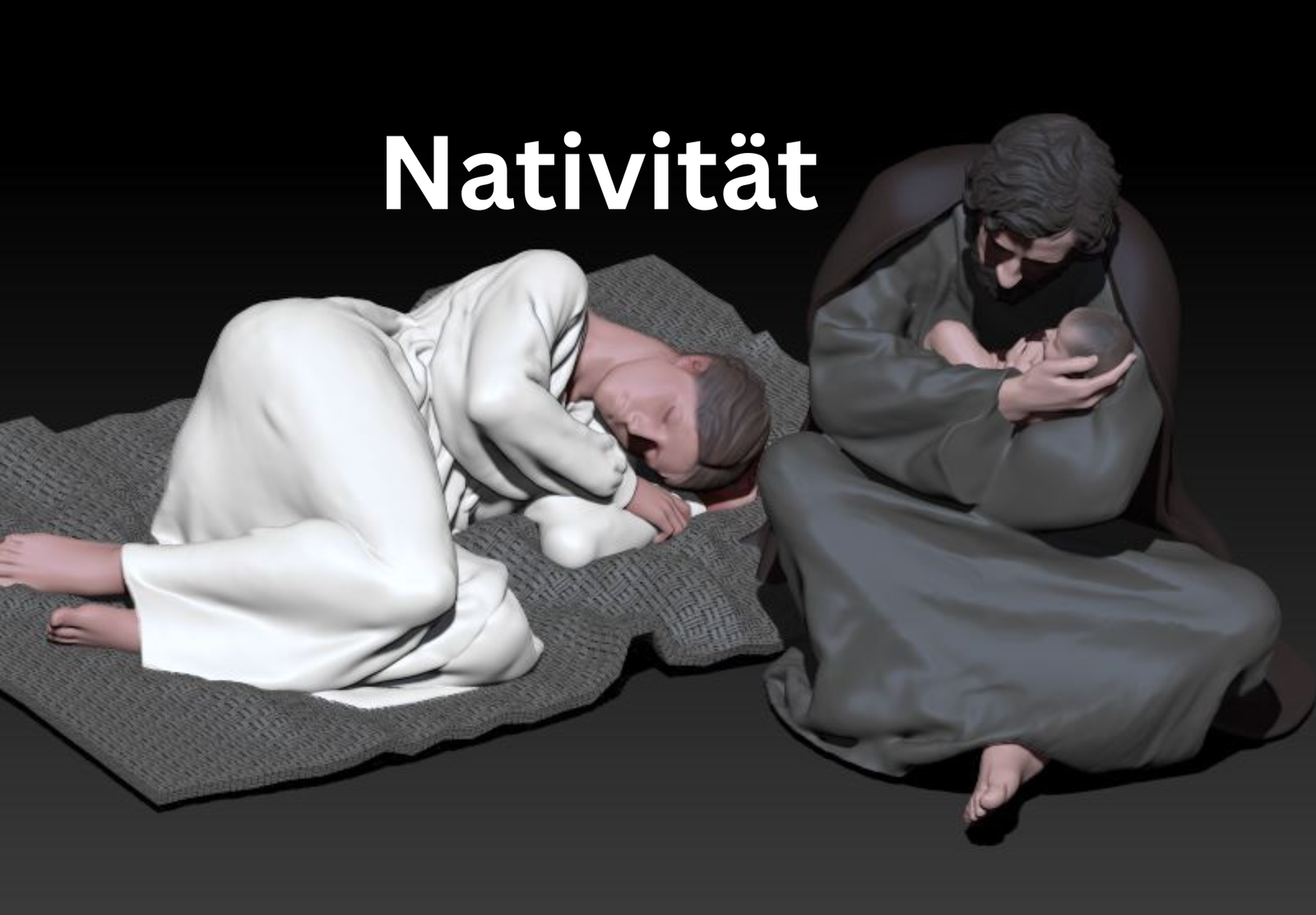
Introduction
The word Nativität carries an air of mystery, elegance, and timeless reverence. Derived from the Latin nativitas, meaning “birth,” it primarily refers to the Nativity, or the birth of Jesus Christ — one of the most celebrated and meaningful events in Christian tradition. But Nativität isn’t just a historical or religious concept; it’s a universal symbol of hope, renewal, and the miracle of beginnings. It represents more than just a biblical story — it embodies light emerging from darkness, new life sparking amidst uncertainty, and the eternal human yearning for connection and meaning.
Today, Nativität has transcended its religious roots. It has found new expression in art, music, architecture, and culture, serving as an inspiration for creativity and compassion across generations. Let’s explore the fascinating world of Nativität — from its theological depth to its artistic manifestations — and uncover why this ancient concept remains so powerfully relevant in the modern era.
The Meaning and Origin of Nativität
At its core, Nativität comes from the Latin word nativitas, which literally means “birth” or “origin.” It’s closely associated with the story of the birth of Jesus Christ in Bethlehem, as told in the Gospels of Matthew and Luke. Over centuries, Nativität has evolved to symbolize more than just a historical moment — it’s become a representation of divine presence and human faith.
The Nativität story is a cornerstone of Christian belief, depicting humility and grace: a child born in a manger, surrounded by shepherds, animals, and heavenly light. It’s a moment that captures the intersection between the ordinary and the divine, showing that greatness often arrives in the simplest forms.
But linguistically, Nativität also connects to broader themes of origin and creation. It’s used in theology, philosophy, and even art history to describe any significant birth or beginning — whether it’s the birth of an idea, a movement, or a new spiritual awakening.
Nativität in Christian Tradition
Within Christianity, Nativität is more than a story; it’s a revelation. It marks the Incarnation, the divine act where God became human. Celebrated each year on December 25th as Christmas, the Nativität reminds believers of God’s love, humility, and closeness to humankind.
The narrative unfolds with vivid imagery — Mary and Joseph’s journey to Bethlehem, the angel’s message, the star that guided the Wise Men, and the humble birth of the Christ child. These symbols have become cornerstones of Christian faith, representing peace, goodwill, and divine intervention.
Churches across the world celebrate the Nativität through liturgy, prayer, and music. The midnight mass, nativity plays, and carols such as Silent Night or O Holy Night all draw inspiration from this sacred event. Each act of celebration connects believers not just to a story from the past, but to a spiritual truth that continues to illuminate hearts today.
Artistic Representations of Nativität
Few subjects have inspired artists throughout history as much as the Nativität. From the Middle Ages to the Renaissance and beyond, countless masterpieces have captured this sacred scene in breathtaking beauty.
Artists like Giotto, Botticelli, Leonardo da Vinci, and Caravaggio depicted the Nativität with emotion and precision, blending divine mystery with human tenderness. These works often portray the Virgin Mary cradling the infant Jesus, surrounded by Joseph, shepherds, angels, and the glowing star overhead.
Each artistic era added new dimensions to the representation of Nativität:
-
Medieval Art: Focused on symbolism, emphasizing divine light and spiritual purity.
-
Renaissance Art: Highlighted realism, human emotion, and the sacred beauty of motherhood.
-
Baroque Art: Added drama, movement, and contrast, emphasizing the miracle of divine presence amidst earthly simplicity.
In modern times, artists continue to reinterpret Nativität in photography, sculpture, and digital media. Some explore its universal themes — birth, hope, and transformation — to connect with audiences beyond religious boundaries.
The Nativity Scene: Symbolism and Meaning
Perhaps the most enduring representation of Nativität is the Nativity scene, also known as the Crèche or Krippe in German. The tradition began in the 13th century when Saint Francis of Assisi created the first live nativity scene to help people visualize and emotionally connect with the story of Jesus’ birth.
Every figure in the nativity scene carries symbolic meaning:
-
Mary represents faith, humility, and divine acceptance.
-
Joseph embodies strength, guidance, and protection.
-
The Child Jesus is the symbol of hope and salvation.
-
The Star signifies divine guidance and enlightenment.
-
The Shepherds reflect the simplicity and sincerity of those who first received the good news.
-
The Magi (Wise Men) represent wisdom, diversity, and the global reach of faith.
Together, they tell a story that transcends time — one that invites reflection, unity, and gratitude.
Nativität in Music and Literature
The Nativität has also inspired some of the most moving works in music and literature. Classical composers such as Johann Sebastian Bach, Handel, and Franz Schubert created masterpieces celebrating the birth of Christ. Bach’s Christmas Oratorio and Handel’s Messiah are among the most renowned musical tributes to the Nativität, blending theology, poetry, and melody into divine harmony.
In literature, writers from John Milton to T.S. Eliot have explored the spiritual dimensions of the Nativity story. Their works invite readers to reflect on human frailty, divine mystery, and the eternal hope that the Nativität embodies.
Even contemporary music — from pop ballads to cinematic scores — often references themes of rebirth, light, and redemption that echo the heart of Nativität.
Cultural Celebrations of Nativität Around the World
Though Nativität finds its roots in Christianity, its message resonates globally. Cultures around the world celebrate the birth of Christ in their own unique ways:
-
Germany: Known for its Weihnachtsmärkte (Christmas markets), handcrafted Krippenfiguren (nativity figures), and carols like Stille Nacht.
-
Italy: Home to intricate nativity displays (Presepi), especially in Naples and Rome.
-
Spain & Latin America: Celebrate with La Noche Buena (Christmas Eve) feasts and parades reenacting the Nativity story.
-
The Philippines: Famous for the Simbang Gabi tradition — a nine-day series of dawn masses leading to Christmas.
Each cultural expression adds color and vitality to the shared story of Nativität, reminding the world of the universal joy of new beginnings.
The Spiritual Symbolism of Nativität
Beyond religion and art, the Nativität holds deep spiritual symbolism. It represents rebirth, hope, and renewal — timeless themes that resonate with people of all faiths. The story of a divine child born into humble surroundings mirrors humanity’s enduring belief in the possibility of light emerging from darkness.
Spiritually, the Nativität invites introspection. It challenges individuals to ask:
-
What new beginnings are being born within me?
-
How can I embody light in a world that sometimes feels dark?
-
What does humility and compassion mean in my daily life?
In this sense, the Nativität becomes not just an external celebration, but an internal awakening — a call to rediscover purpose, gratitude, and love.
Modern Interpretations of Nativität
In modern culture, Nativität continues to evolve. Artists and thinkers reinterpret it to reflect contemporary values — diversity, inclusion, and social justice. Some portray the Holy Family with different ethnicities or in modern settings, reminding us that the message of love and compassion is universal.
Digital creators, filmmakers, and designers now use Nativität as a symbol for innovation — the “birth” of new ideas. The concept resonates across startups, technology, and art, where the act of creating something new mirrors the miracle of birth itself.
In essence, Nativität has become both timeless and timely — a bridge between sacred tradition and modern expression.
The Influence of Nativität on Modern Art and Design
From church frescoes to modern graphic design, Nativität continues to influence aesthetics and creativity. Many designers incorporate nativity motifs — stars, halos, mother-and-child imagery — into holiday branding, architecture, and digital art.
In fashion, Nativität-inspired collections often reflect purity, innocence, and divine light through fabrics and form. In interior design, nativity-inspired color palettes — golds, blues, and whites — symbolize peace and spirituality.
Even in photography and cinema, Nativität is a recurring theme. Think of scenes where birth, transformation, or light breaking through darkness becomes the emotional climax. These moments owe their essence to the same eternal narrative: Nativität — the miracle of beginnings.
Nativität and the Essence of Humanity
At its deepest level, Nativität reminds us of the beauty of being human — of vulnerability, compassion, and connection. It speaks to the part of us that believes in miracles, even in the smallest of places. The stable in Bethlehem wasn’t grand or majestic, yet it became the birthplace of infinite hope. That’s the power of Nativität: it transforms the ordinary into the extraordinary.
Every time we forgive, create, or begin anew, we experience our own form of Nativität. It’s a reminder that no matter how dark the night, dawn always arrives — bringing renewal, purpose, and light.
Conclusion
Nativität is far more than a word. It’s a window into the human spirit. From its sacred origins to its artistic expressions, it continues to inspire awe and reflection across time. It symbolizes not only the birth of Jesus but the rebirth of hope in every heart that dares to believe in light after darkness.
Whether experienced through art, music, or faith Nativität teaches us that every beginning holds divine potential. It’s a celebration of love, life, and renewal — a story as old as time, yet as fresh as every new dawn.
So as we reflect on the meaning of Nativität, may we remember its message: every moment can be a new birth, every act of kindness a spark of divine light, and every soul a reflection of something far greater than itself.
